
As an IT professional, you probably work daily with abstract systems, data structures, and digital processes. It may sound far from the earth, but there are surprisingly many parallels between the digital world of bits and bytes and the biological world of ecosystems and living organisms. In the age of hybrid working, it is becoming easier to move outside. And that has advantages: regularly entering nature can help you make better decisions, think more creatively, and develop more resilience.
IT and nature: systems that resemble each other
Just like in nature, IT systems revolve around complex networks and interactions. Think of ecosystems in nature: different species of plants, animals, and microbes work together in dynamic relationships that enable stability and growth. In computer science, we see something similar in digital ecosystems, architectures that self-organize, respond to changes, and evolve over time, similar to biological ecosystems. Researchers even consciously use this analogy to design new architectures that are robust and scalable by borrowing principles from ecology.
Additionally, bionics - thinking about how natural systems can inspire technology - has long been a core component of technological innovation. Examples include algorithms inspired by evolution or swarm behavior of animals used to solve problems in AI or networks.
Nature as a source of innovation
It is not just a metaphor: nature provides concrete inspiration for technological solutions. Tools like neural networks are loosely based on how the brain works, while robotics and self-learning systems look to collective organisms like insect colonies to achieve resilience and efficiency.
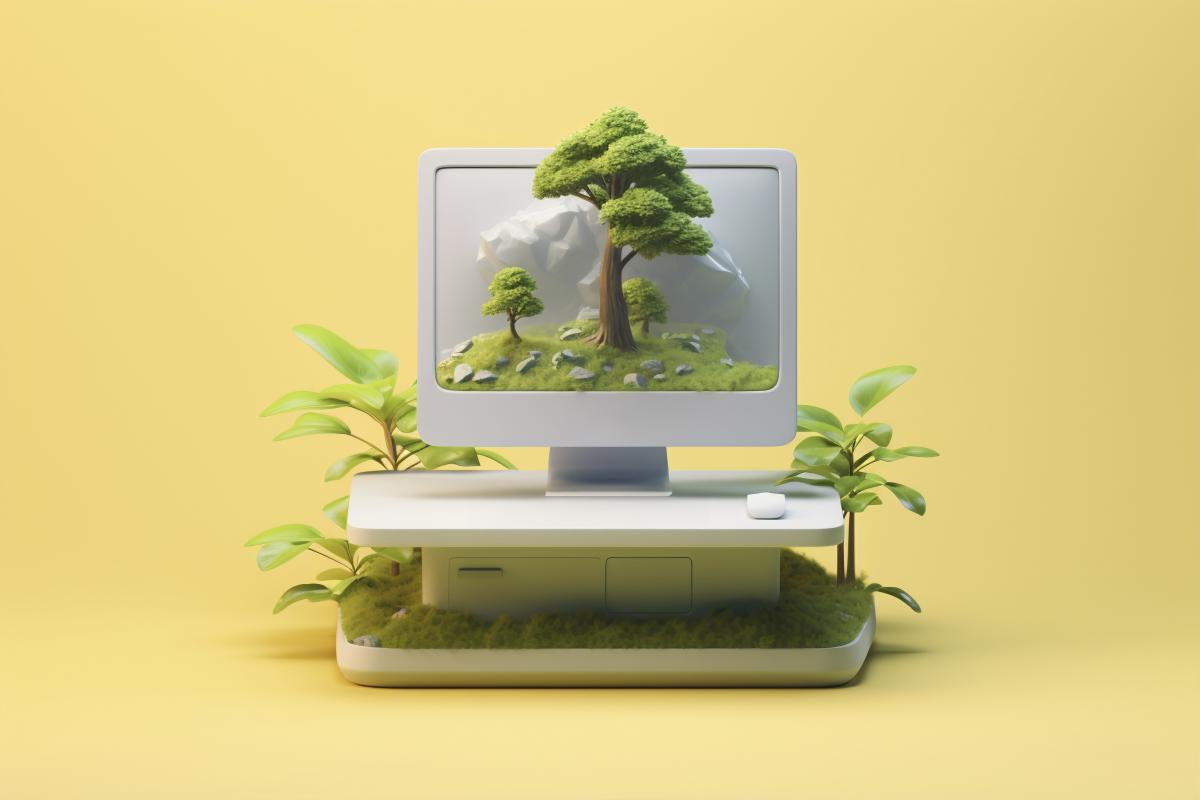
This cross-pollination between nature and technology suggests that IT is not separate from 'the real world', but rather part of a larger, intertwined reality where the biological and digital worlds influence each other. Some thinkers even go so far as to state that technology has now become a part of what we consider our modern 'nature', a concept also known as next nature.
Nature and the IT professional
For many technology professionals, work consists of long days behind screens, constantly switching between tasks, and an abundance of digital stimuli. This can lead to mental fatigue, stress, and a feeling of disconnection from physical reality. Nature experiences can be strong counterbalances to this digital overload.
Mental calm and creativity
Research shows that exposure to real nature significantly contributes to reducing stress and improving mood and cognitive performance. This aligns with the biophilia hypothesis, the idea that humans have an innate tendency to be connected to life and the natural world. This is often lacking in the modern tech lifestyle.
Stepping away from a terminal or IDE can help reset your thoughts, find new perspectives, and come up with more creative solutions to complex technical challenges. Think of the moments when an idea only strikes during a walk outside. This can't be a coincidence, right?
Better functioning, less burnout
Contact with nature is linked to improved concentration, lower stress levels, and even well-being benefits for the long term. These benefits make nature not only pleasant but also functional for IT professionals who often work under time pressure and with high cognitive demands.
A sustainable relationship between tech and nature
The future of technology does not have to mean that it displaces nature; many innovations focus on improving our collaboration with the environment. Smart sensors, drones, and data analysis are already being used to monitor ecosystems and support biodiversity, demonstrating that IT can contribute to the preservation of the natural world rather than just digital advancement.
Moreover, the idea is growing that technology and nature are not opposites, but that they can coexist symbiotically. This prospect offers benefits not only for companies or ecosystems but also for the professionals who move between these two worlds.
Two separate worlds
Nature and the world of IT may seem like two separate domains, but they both revolve around systems, networks, and adaptive processes. By going into nature more often - away from the screen, the office, and constant digital input - an IT professional can not only reduce stress but also become more creative and resilient. And if technology continues to develop in harmony with the natural world, we can realize a future where innovation does not come at the expense of, but rather serves our planet.
Do you want to try a different approach the next time you get stuck as an IT professional? Perhaps the answer is simply to find it outside.