
How does VPN work?
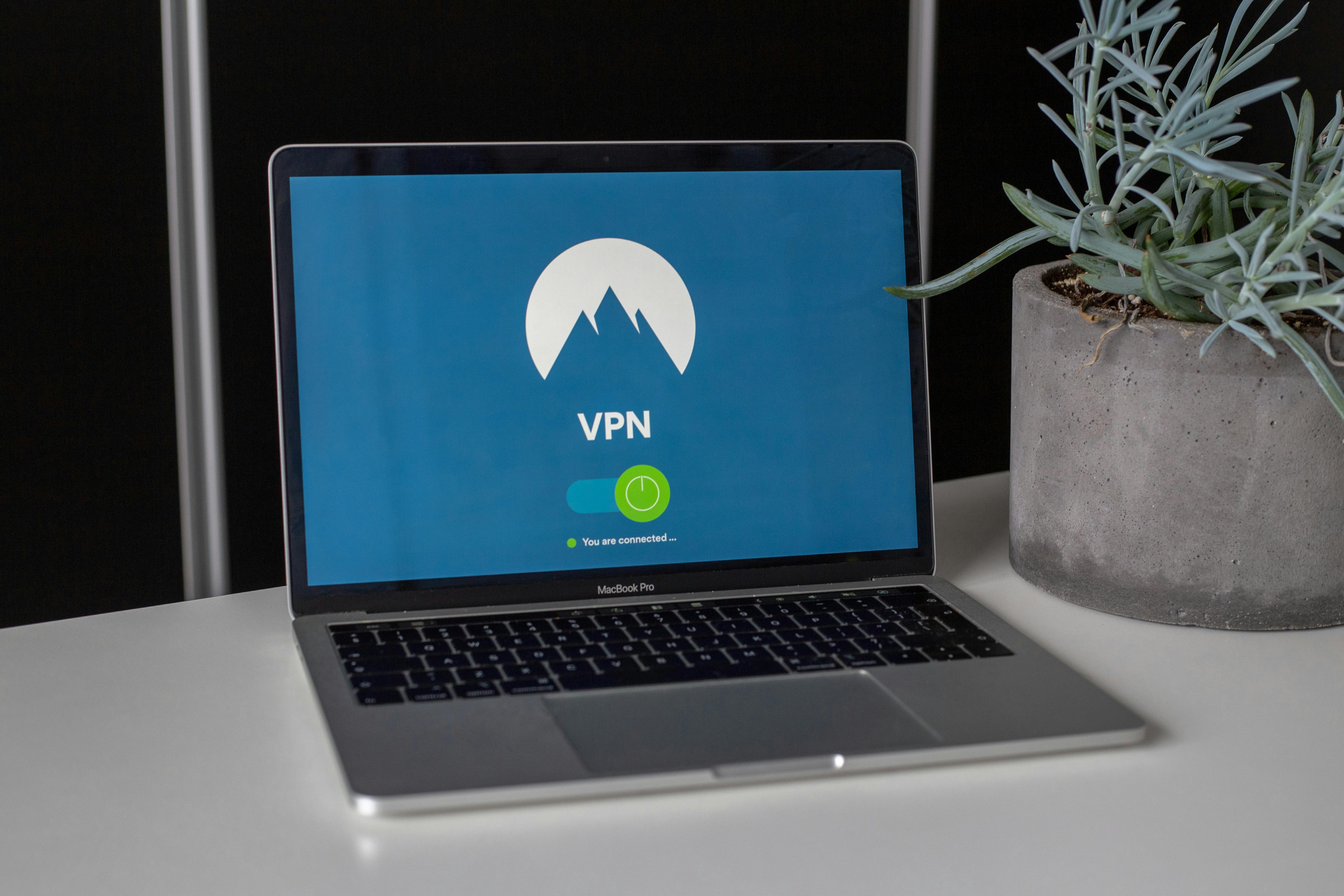
It may sound complicated, but in practice, a VPN connection means that the client (your own device) connects to a VPN server before you surf the internet. To connect to a VPN, you need a server and a client.
A VPN server provides a secure connection, or a tunnel, for your data connection. This connection, or VPN tunnel as it is also called, ensures that all data sent and received between the client and the server is secured by encryption. This means that only the sender and the receiver can see the data being sent.
By forwarding traffic through an external server, your IP address is changed and hidden, protecting your identity on the internet and enhancing security.
Since you can connect to a VPN server from anywhere in the world, with the only requirement being that you have an internet connection, VPNs have become popular among individuals, for example, to enable the use of geo-blocked apps, websites, and streaming services. An example of this is using VPN Belgium in the Netherlands to access sites that are only available in Belgium.
Why use a VPN?
Originally, VPN solutions were developed to establish secure connections and provide access to local networks, such as a company's work network. By connecting to a corporate VPN, you gain access to internal company applications and tools that would otherwise only be available at work.
VPNs are used for a number of reasons, but here are some common examples of why a VPN is used:
- Hide your IP address and protect your privacy: because the VPN connection encrypts your traffic and hides your IP address, no one other than you and those who have access to the server can see the data you send or receive through your internet connection. This way, you prevent advertisers from tracking your location and usage using cookies to build a profile for targeted marketing.
- Enabling remote work and access to corporate networks: many companies opt to set up a VPN connection for their employees. Partly to increase cybersecurity and reduce the risk of intrusion into the corporate network, but also to enable access to the company's internal systems and information with an internet connection as if the employee were in the office.
- Enabling remote studying and access to course and training materials: it is not uncommon for schools and universities to set up VPN connections to give students and employees access to services hosted on the school's or university's server. This became particularly common during the Corona pandemic of 2020.
- Blocked content abroad: perhaps you tried to stream NOS when you were abroad and were confronted with the message "The program can only be viewed in the Netherlands"? The possibility, or rather the limitation, of accessing services and content on the internet in other countries (the so-called geo-blocking) has been a point of discussion, especially at the EU level. To remove this obstacle, the EU introduced a regulation on geo-blocking on February 27, 2018, to prohibit "unjustified geo-blocking within the EU". However, if you are outside the EU borders or want access to content related to international rights, such as streaming Dutch football abroad, access to the service may be blocked. With a VPN solution, you can connect to the country where the content is available and bypass these geographical restrictions.
- More security on public WiFi networks: every time you connect to a WiFi network, you take a small security risk. WiFi networks are usually very easy to trace, so you avoid this risk by using a VPN connection. Because the data between your device and the VPN server is encrypted, it becomes difficult, or even impossible, for hackers to see or use the data you send and receive. With a VPN, you are much safer online.
- Find better prices online: a VPN is not only used to bypass geographical boundaries and access content, but in some cases, it can also help you save money(!). The reason for this is that there are sometimes price differences between services depending on where you live. An example of where you can save money is usually when buying plane tickets. When airlines set online prices, information about your location, whether you have searched for a destination before, and the destination you have chosen can affect the price. Using a VPN service and choosing another country is a great way to save money.