
In 2026, sustainability will be structurally integrated into IT architecture choices. This means that organizations will consider energy consumption, lifespan, and scalability of systems in their design decisions. Think of cloud-native applications that handle resources more efficiently, or infrastructures that automatically scale up and down based on actual load.
This approach prevents overcapacity, reduces energy consumption, and makes IT environments more manageable.
Data Centers
The growth of data centers continues, but the focus is shifting. It is no longer primarily about more capacity, but about smarter use of existing capacity. Therefore, in 2026, look more often at the deployment of energy-efficient hardware and ARM-based servers or advanced cooling techniques like liquid cooling
Data centers can also be directly linked to renewable energy sources, or you can optimize your data centers through software monitoring and workload management. These developments ensure that data centers consume less energy per workload while maintaining or even improving performance.
AI: a major consumer, but also an optimization tool
AI presents a paradox within sustainable IT. On one hand, it requires enormous computing power; on the other hand, AI is increasingly being used to make IT environments more efficient. We are now seeing AI applications that predict and optimize energy consumption, dynamically distribute workloads across infrastructure, and detect failures and peak loads early
A small caveat: it is important that AI is deployed purposefully and deliberately. Uncontrolled AI implementations can lead to higher costs and energy waste.
ESG Reporting Requires Reliable IT Data
Sustainability has become measurable in recent years. Organizations increasingly need to demonstrate the environmental impact of their digital activities. IT plays a key role in this, as almost all ESG data depends on digital systems.
This leads to a growing need for reliable data collection on energy use and emissions. For this, integration of ESG metrics into existing IT monitoring is necessary, and real-time dashboards for reporting and compliance are highly sought after. IT departments are thus shifting from a supportive role to being the director of sustainability data.
Regulation
Then there are the new European guidelines that make sustainability concrete and enforceable. Think of reporting obligations regarding Scope 2 and Scope 3 emissions, but also requirements regarding data center efficiency and supply chain transparency. In practice, this means that IT decisions increasingly have legal and financial consequences. So don't forget to anticipate this
Practical Guidelines for Sustainable Growth in IT
Sustainable growth does not require radical upheavals, but consistent, well-founded choices.
Start with measuring. Without insight, there is no optimization. Monitor energy consumption, server load, and hardware lifecycle systematically.
Optimize existing infrastructure. Virtualization, consolidation, and smart workload planning often yield quicker gains than large-scale replacement.
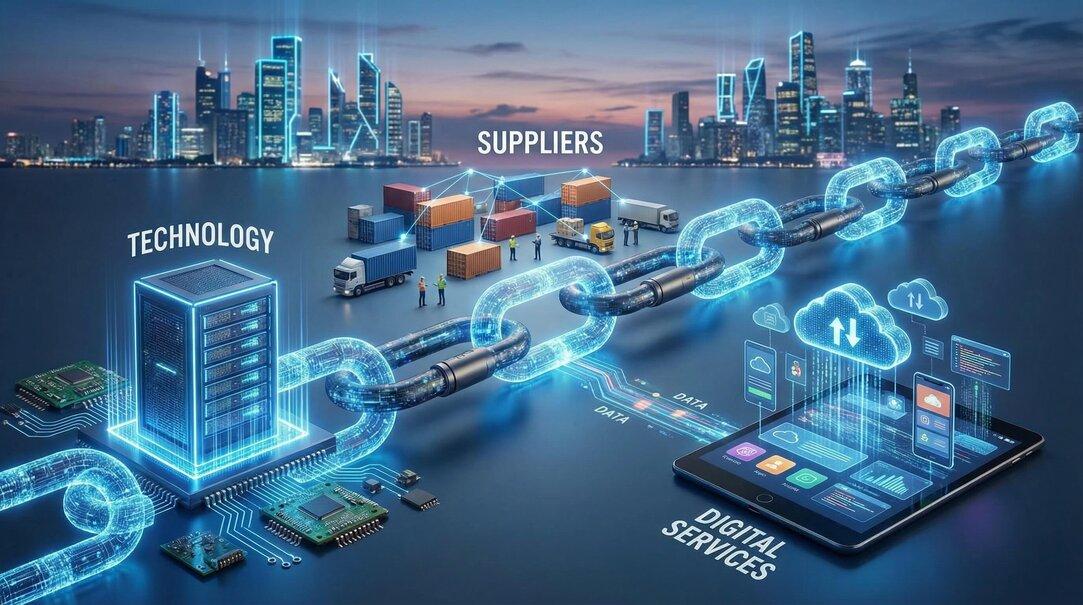
Choose suppliers consciously. Cloud and infrastructure partners play a direct role in the sustainability impact of IT environments. Transparency about energy sources and efficiency will become a selection criterion.
Think circular. Hardware does not always have to be new. Refurbished equipment, longer depreciation periods, and device-as-a-service models contribute to lower impact.
Anchor sustainability in governance. Make it part of IT policy, budgeting, and roadmap planning, so it doesn't remain a separate project.
Sustainability in IT is Smart Growth in 2026
No, nothing ideological: sustainability in IT is a rational business decision in 2026. Organizations that approach energy, performance, and scalability in conjunction are building robust IT environments that are ready for further digitalization.
Sustainability increasingly serves as a quality indicator: the more efficient and transparent the IT environment, the better it withstands technological, economic, and societal pressures. For IT professionals and decision-makers, this means one thing: those who invest now in sustainable IT structures are directly investing in continuity and competitive strength.