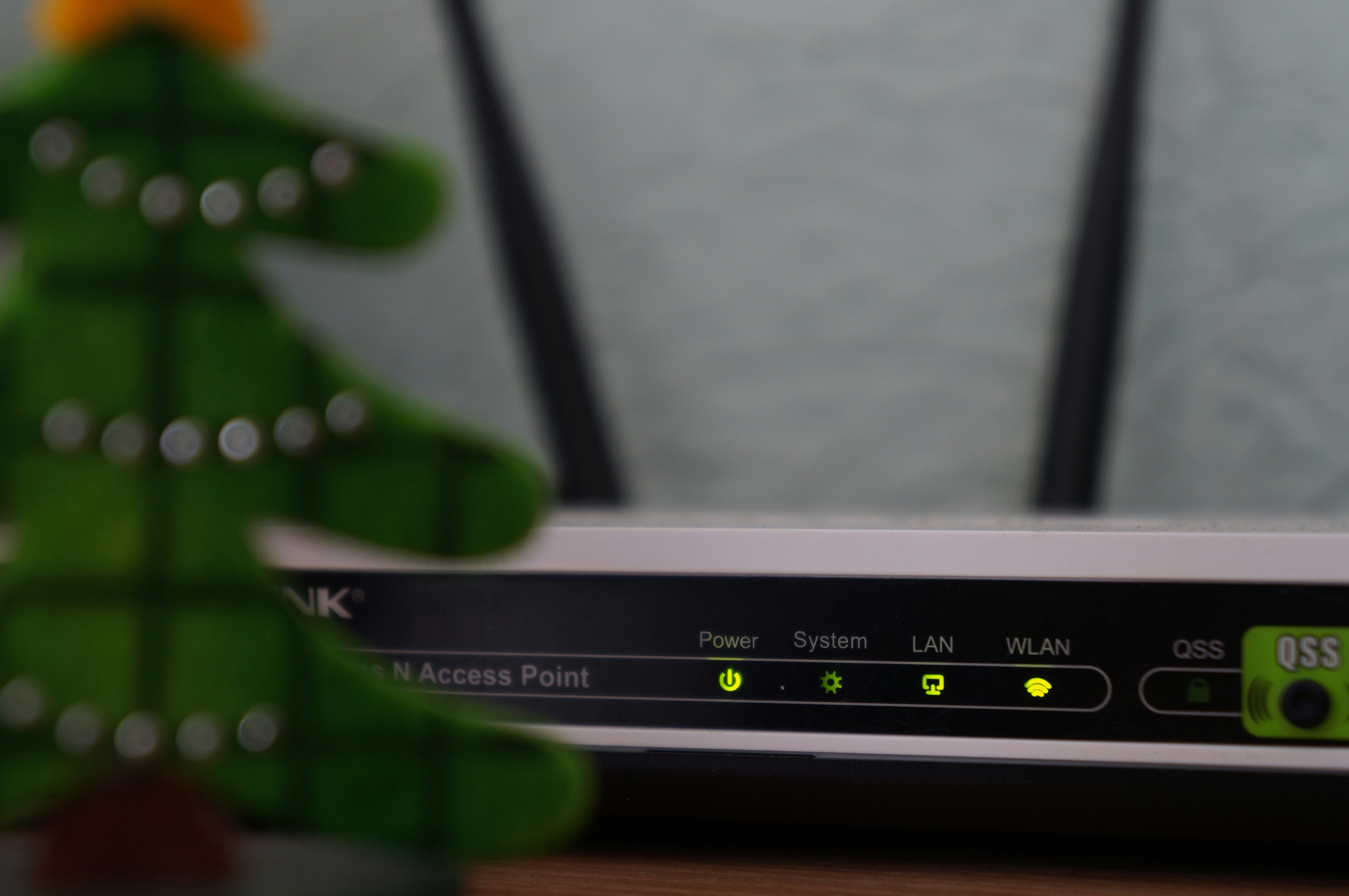

The basics: the differences between wireless and wired internet
In a wired network connection, data is sent directly between devices and the router or switch via physical (Ethernet) cables. This direct connection ensures predictable performance and minimal latency.
Wi-Fi, on the other hand, transmits data wirelessly via radio signals. Devices communicate with a wireless router or access point without a physical connection. This offers flexibility but also makes the connection more susceptible to external influences such as distance, walls, and other wireless networks.
Why choose a wired connection?
One of the biggest advantages of wired internet is stability. Because data is not transmitted through the air, there is hardly any interference. This results in consistent speed and low latency, which is especially important for applications like online gaming, video conferencing, and working with large files.
Additionally, a wired network is more reliable under load. While Wi-Fi performance can decline with many simultaneous users, an Ethernet connection tends to perform consistently. Also, in terms of security, wired internet has an advantage: physical access to the network is required, making unauthorized access more difficult.
The downside of wired internet
Against that performance stands a clear disadvantage: lack of flexibility. Devices are tied to a fixed location, which is not ideal for laptops, tablets, or smartphones. Moreover, setting up wired networks often requires more preparation. Cables need to be run, and additional network ports are sometimes necessary, especially in existing buildings.
For environments that need to scale quickly, that infrastructure can also bring extra costs and installation work.
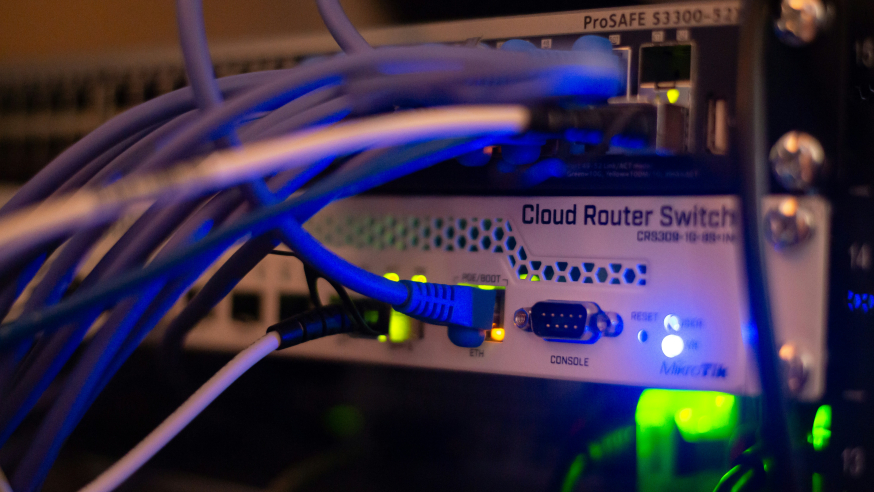
The power of wireless Wi-Fi
Wi-Fi excels in ease of use and mobility. Devices can be moved freely without the need for cables, which is ideal for flexible working and modern workplaces. The installation is usually straightforward: a router or access point is often sufficient to bring multiple devices online immediately.
Modern Wi-Fi standards also make it possible to connect many devices simultaneously. This makes wireless internet suitable for households and offices with laptops, smartphones, smart devices, and IoT solutions.
What challenges does Wi-Fi face?
That flexibility comes at a price. Wi-Fi performance is highly dependent on the environment. Walls, floors, and other wireless networks can weaken or disrupt the signal. The greater the distance from the router, the higher the chance of speed loss or instability.
Also, in terms of security, Wi-Fi requires extra attention. Because the signal spreads through the air, good encryption and network configuration are essential. Additionally, the available bandwidth is shared among all connected devices, which can be noticeable during heavy use.
Wireless or wired internet: what do you choose?
The choice between wireless and wired internet largely depends on the use case:
- For fixed workstations, servers, gaming, and heavy data applications, wired internet is often the best choice.
- For mobile work, meeting rooms, and smart devices, Wi-Fi clearly offers more freedom.
In many business environments, a hybrid approach works best: wired where performance is crucial, wireless where flexibility is needed.
Wireless and wired internet are not competitors but complementary technologies. Wired networks provide maximum reliability and performance, while Wi-Fi offers mobility and ease of use. By combining both smartly, a network is created that is both stable and flexible — exactly what modern work and living environments demand.