
Text: Michel Heinst, CEO and owner Tech Outlet Ltd
The promise was enticing in its simplicity: no more own servers, no worries about updates or security patches, and infinite scalability available at the push of a button. Anyone investing in their own 'iron' in 2015 was met with pitying looks.
However, in 2025, the atmosphere has radically changed. The honeymoon period with the hyperscalers - Amazon Web Services (AWS), Microsoft Azure, and Google Cloud - is definitively over. What began as a flirtation with flexibility and modernization has turned into a stifling marriage for many Dutch organizations, characterized by vendor lock-in, unpredictable cost explosions, and a fundamental lack of control over their own data.
IDC predicts that by 2026, as much as 65% of enterprises will switch to a hybrid model, where data processing and AI tasks are moved back to edge or on-premise environments. McKinsey notes a clear shift in trend: CIOs in Europe are shifting their focus from pure cloud adoption to digital sovereignty and cost control.
This report analyzes not only the numbers but also the human and organizational stories behind this movement. Why does a successful SaaS entrepreneur choose to leave the cloud for dedicated servers? Why does the Dutch government shudder at the thought of American data seizures? And is it technically and financially feasible to regain control?
This article is part of a series. The previous part, The Alternatives, went online last Sunday. The complete series can be found here.
The Great Cloud Exodus, Part V: The AI Revolution – Local is the New Smart
That the cloud took a long time to catch up is certainly a fact. But still, a frequently heard counterargument for not stepping away from the cloud is: 'But without the cloud, we miss the AI boat.' That may have been true in 2023, but in 2025, the landscape has shifted.
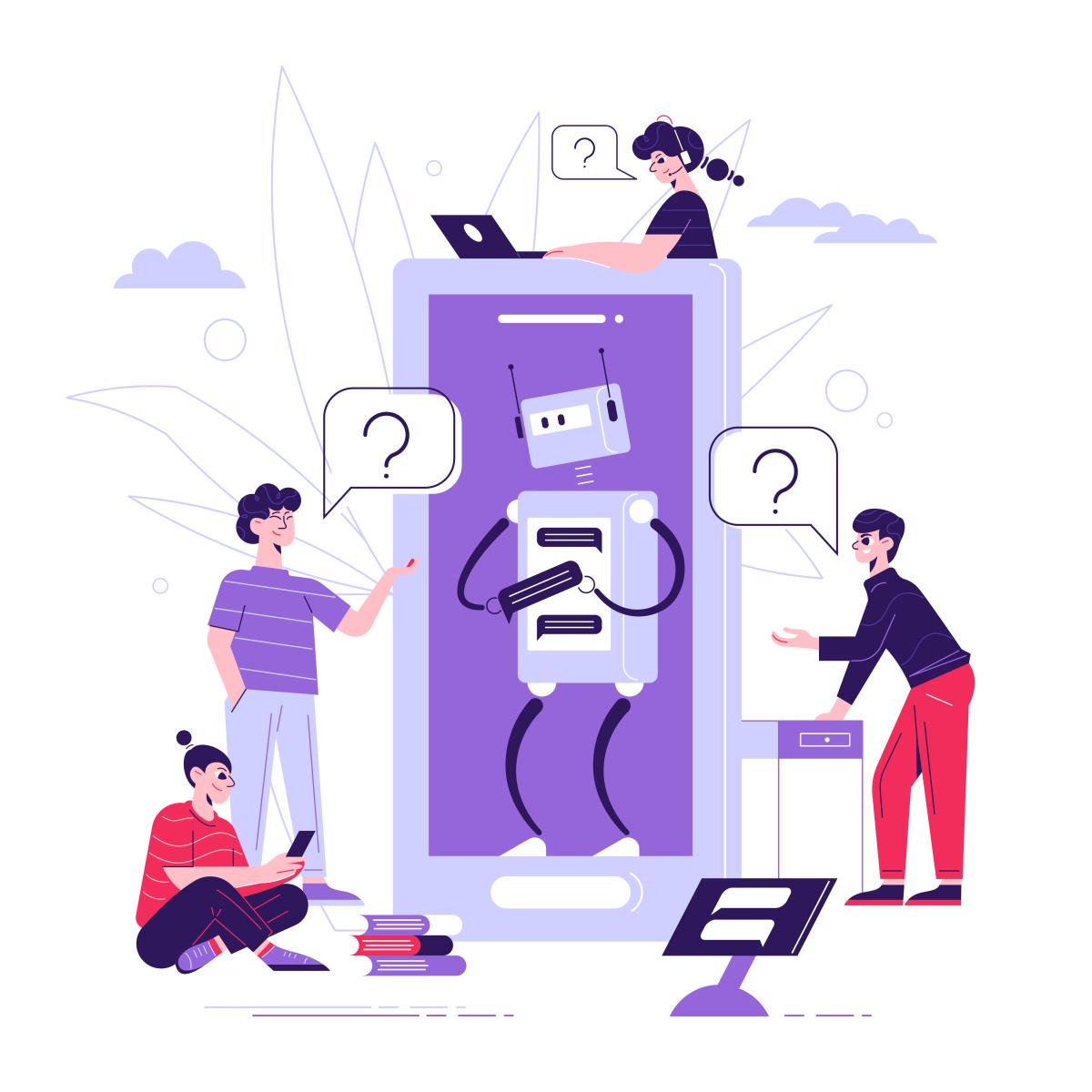
The trend of Small Language Models (SLM) and optimized LLMs makes it possible to run powerful AI on your own hardware. Organizations realize that they do not need a monstrously large model for specific tasks, but a smaller, specialized model that runs locally.
Privacy and Costs
With local AI, all information stays close to you. A law firm can, for example, run a local AI model to analyze contracts. The text never leaves the premises. There is zero risk that confidential client information is used to train OpenAI models.
Additionally, instead of paying per token to an API, you make a one-time investment in a server with NVIDIA cards. Once that server is in place, every AI response is 'free' (aside from electricity). For convenience, let’s take an organization with 1,000 users. You would already be spending €25 per user per month for Cloud-AI licenses, or €300,000 per year!
A local AI server costs €100,000 as a one-time expense - indeed a hefty investment, just like in the previous chapter - but then €2,000 per month for maintenance. That amounts to €124,000 in the first year and €24,000 per year thereafter. From year 2, you pay only 8% of what you would otherwise pay, and you are protected against legislation like the CLOUD Act or the great powers in AI.
Practical Tools for Local AI
There are already many solutions that place AI locally. For example, you can run Ollama LLMs locally on your laptop or server, and LM Studio is a good user interface for local models.
Then there are programs that clearly focus on privacy. PrivateGPT is a chatbot for your own documents, and Whisper is a speech recognition app from OpenAI that can be run entirely locally.
The Next
With local AI, it is becoming increasingly easier to step away from the cloud. But we are not there yet, as some arrangements still need to be made for the infrastructure. How is that looking in Europe? You will read about it next Thursday in Part VI of this series: EU Regulation and Gaia-X.
This is the fourth part of the series 'The Great Cloud Exodus', in collaboration with Michel Heinst from Tech Outlet. In the coming weeks, the remaining parts will appear on the website.
About TechOutlet.eu
TechOutlet.eu has been a specialist in enterprise IT hardware for the Benelux since 2014. They supply EOL (End-of-Life) and new servers, workstations, and laptops from brands like HP, Dell, and Lenovo to SMEs, government, and healthcare.
The focus is on:
- Digital Sovereignty: Hardware that you fully own and manage
- Flexibility: Choice between EOL (cost-effective) and new hardware (compliance)
- Sustainability: Optimal utilization of hardware lifespan
- Cost Efficiency: Enterprise quality for SME budgets
- Fast Delivery: 24-hour delivery from Dutch stock
Contact: For advice on your cloud exit strategy and the necessary hardware, please contact us via www.techoutlet.eu