
The benefits that make the cloud irresistible
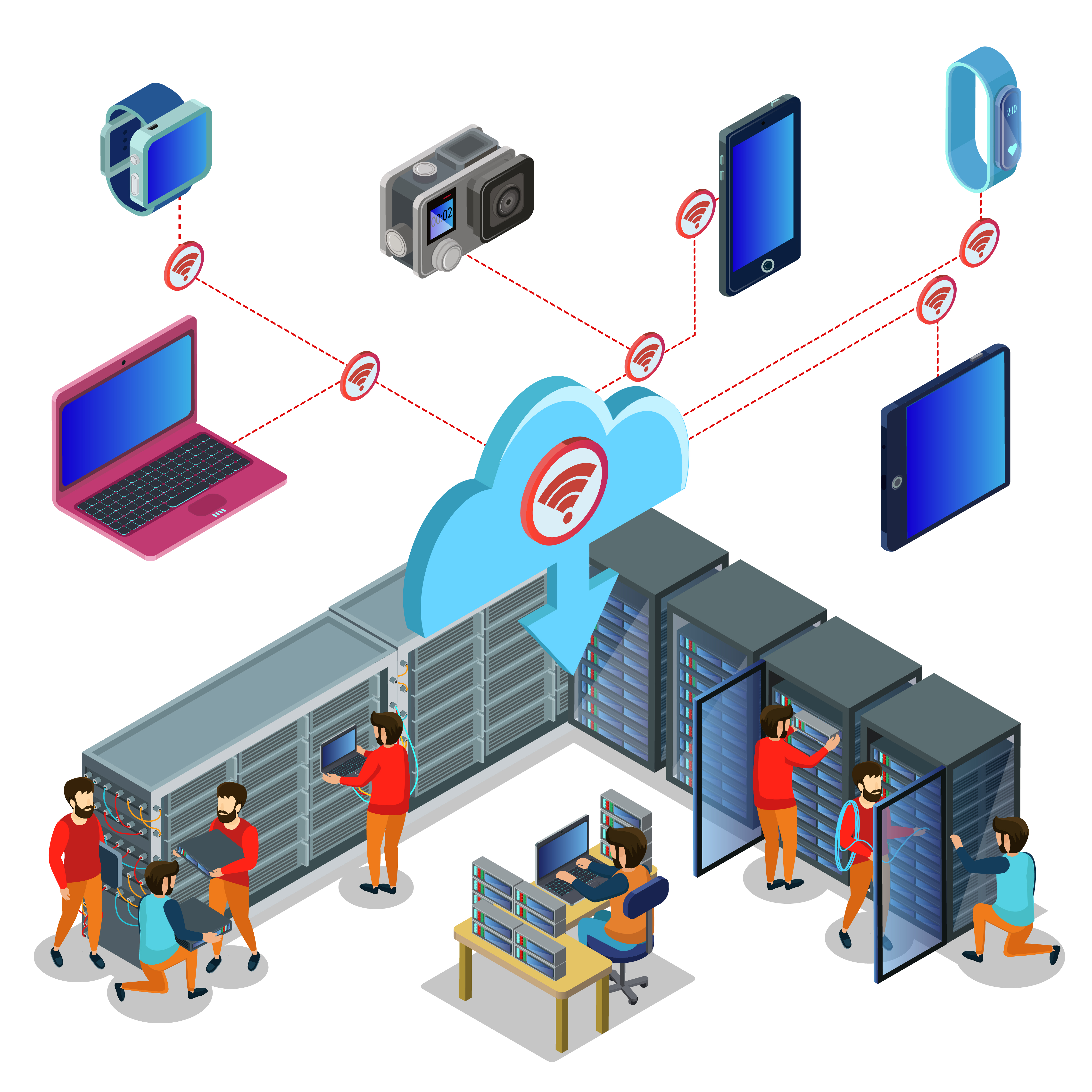
The biggest advantage of the cloud is convenience. Companies can avoid heavy investments in servers, storage, and networks by delivering resources on demand and scaling to actual needs. This lowers initial costs and allows them to respond quickly to changing demand. Cloud platforms also take on operational tasks, upgrades, patches, and monitoring, enabling IT teams to focus on strategy while reducing operational complexity and long-term maintenance costs. For sectors that require speed, such as software, e-commerce, and media, that efficiency is a competitive advantage. In addition to basic hosting, cloud providers offer analytics, AI, serverless functions, and managed databases, allowing organizations to experiment with and implement new capabilities without large capital investments.
For consumer-facing businesses, cloud-based payment integrations make the payment experience noticeably smoother. Whether it’s paying for groceries, booking a movie ticket, paying an energy bill, or using entertainment options, cloud platforms enable faster, localized, and safer transactions. Even region-specific entertainment options, such as online casino iDEAL, allow users to make free and secure casino deposits using the iDeal payment method. Withdrawals directly to and from a Dutch bank account without sharing sensitive information are simplified and streamlined thanks to the cloud, eliminating the need to build complex, custom payment infrastructure. This seamless convenience allows businesses to try out new ideas, measure results, and iterate quickly, fostering an innovation culture that is difficult to replicate in a purely hardware-dependent environment.
Hardware is still present, but contextual
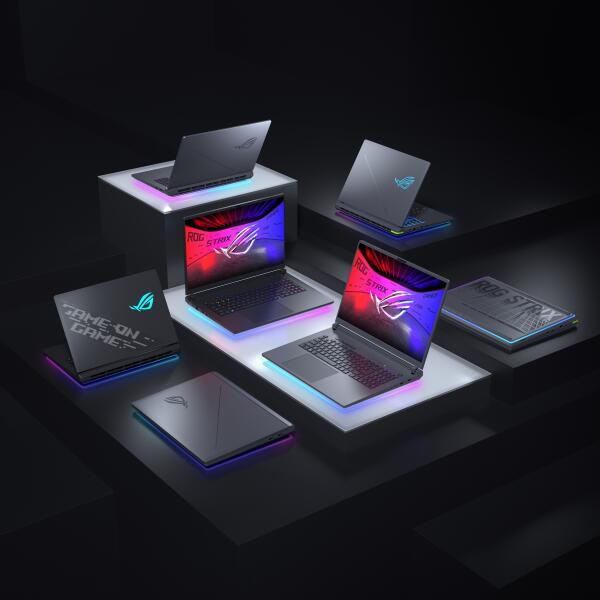
Despite the overwhelming benefits of the cloud, hardware has not completely disappeared. Certain specialized scenarios still require physical infrastructure. HF trading, industrial automation, and some edge computing applications rely on predictable latency and specific processing power that only on-premise hardware can guarantee. Compliance-driven sectors may also use specific hardware for data residency or legal reasons.
However, these cases are more the exception than the rule. For most companies, owning hardware comes with significant downsides, such as initial capital expenditures, maintenance complexity, energy costs, and lifecycle management. While hardware can provide performance certainty, the costs and inflexibility often make it a less attractive choice compared to the scalable, managed resources available in the cloud.
Security and reliability at scale
Security and reliability are often cited as reasons why some organizations hesitate to fully transition to the cloud. Modern cloud providers have made significant advancements by investing in advanced infrastructure, redundant systems, and stringent controls to protect customer data and ensure regulatory compliance. Features such as multi-region replication, automated failover, and disaster recovery ensure that critical workloads remain available even during unexpected disruptions.
For most companies, these protective measures exceed what could realistically be achieved with on-premise hardware. Continuous monitoring, automated security updates, and expert operational support enable organizations to focus on their core business, knowing that cloud systems are designed to protect customer data and ensure compliance with various legal standards.
Cost efficiency and long-term value
One of the strongest arguments for the cloud is cost efficiency. Traditional IT infrastructure requires significant investments, and maintaining it incurs ongoing costs for power, cooling, security, and personnel. The cloud, on the other hand, offers a pay-as-you-go model, where companies only pay for what they use. For businesses with fluctuating workloads or growth ambitions, this model is advantageous, as resources are aligned with business cycles rather than fixed hardware limits.
Even at scale, the economies of scale of cloud providers often make them more cost-effective than maintaining comparable capacity on-premises. Companies gain access to vast storage capacity, high-performance computing, and advanced networking for a fraction of the internal costs. This financial flexibility allows organizations to invest in other areas, from product development to customer experience, enhancing the strategic value of cloud adoption.
Flexibility drives innovation
The most compelling advantage of the cloud may be the ability to accelerate innovation. Startups can deploy products globally within minutes without worrying about acquiring and configuring hardware. Established enterprises can experiment with AI, analytics, or IoT solutions with minimal initial commitments. Cloud-native development fosters continuous integration and delivery, enabling teams to release updates faster and more reliably than ever before.
This flexibility also allows organizations to quickly respond to changing consumer habits and market conditions. During periods of rapid growth or sudden spikes in demand, cloud resources can be scaled up immediately, ensuring consistent performance and availability. Hardware, on the other hand, has physical limitations: scaling up requires procurement, installation, and configuration, which can take weeks or months. The flexibility that the cloud offers is unparalleled and is one of the main reasons organizations increasingly prefer it over traditional infrastructure.
The real balance
The reality across all sectors is that the convenience of the cloud now outweighs traditional hardware for most organizations. Hardware remains necessary in specialized contexts, but for day-to-day operations, the cloud offers speed, flexibility, cost efficiency, and a global reach that physical infrastructure cannot match. Modern enterprises are increasingly adopting a cloud-first strategy, reserving hardware only for cases of extreme performance, legal requirements, or unique constraints. Cloud computing is no longer an alternative but the backbone of modern businesses, enabling innovation, scalability, and adaptability that are impossible in a purely hardware-driven environment. Hardware still plays a role, but the cloud dominates because it offers unmatched convenience, power, and strategic value.