
The announcement took place on March 12 at the Rijksmuseum during an exclusive exhibition where the work of all finalists could be admired. The jury awarded the grand prize to Dragoș Bădiță from Bucharest for the work Altarpiece. This work is a reinterpretation of The Holy Virgin by Geertgen tot Sint Jans. Bădiță used Nano Banana and VEO 3.1 Pro to edit and animate elements of the painting. The jury notes that the child in this work becomes the main character moving through a living environment. The surrounding nature grows and reacts to his presence. Through the use of AI, the classical painting transforms into a fluid experience. This entry demonstrates how old masterpieces can be made interactive.
Also read: Invisible IT: towards a self-operating future
Selection of finalists and exhibitions
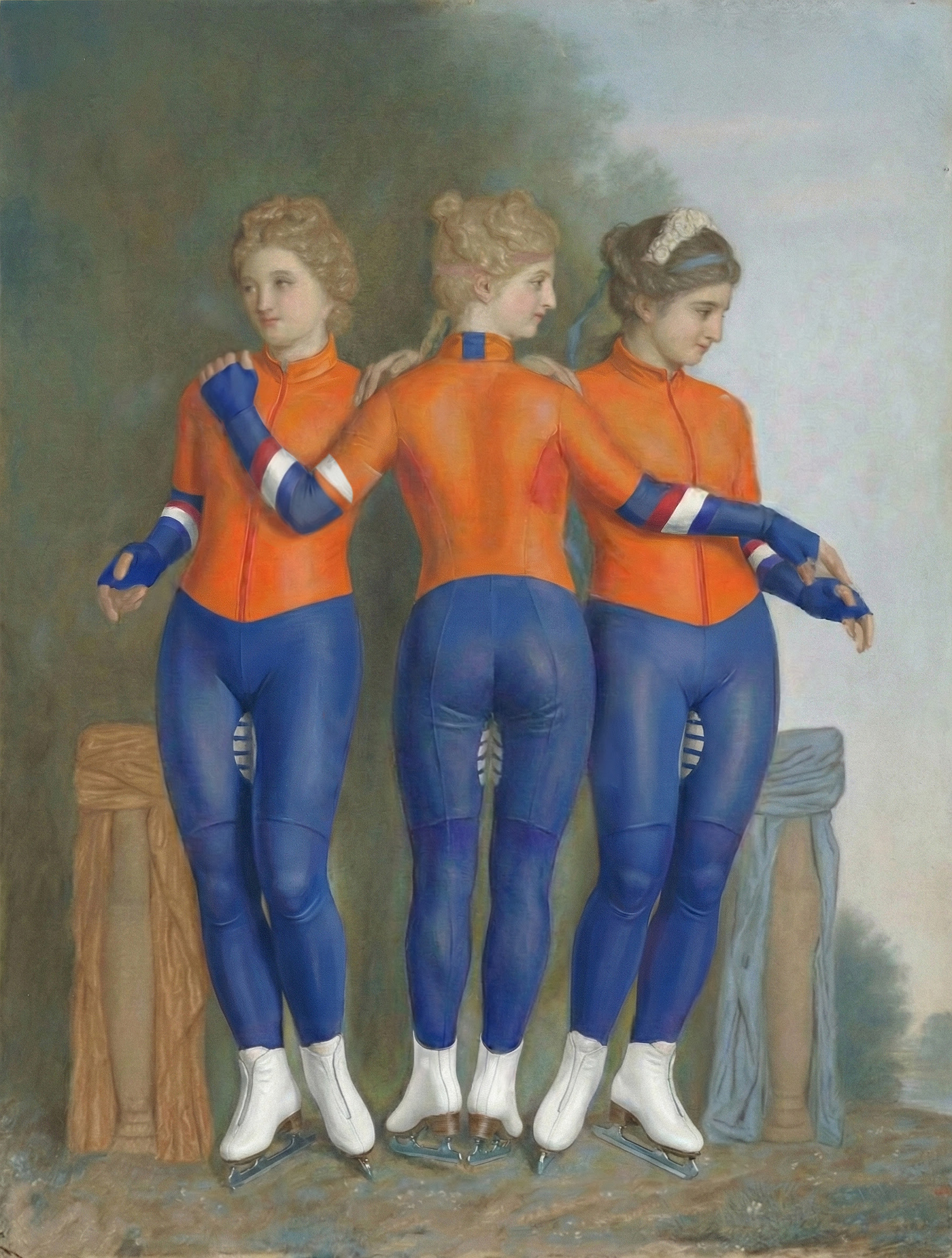
The jury selected four other finalists for their striking creations. @uttermelon from Seoul designed Luminous Legacy. Marnix de Vries from Zwolle created Drie Schaatiën (see photo). Lottevont from Utrecht created Guarded Union. Riccardo Silano from Monza produced Night Watch. All finalists received the Google Pixel 10 for their achievements. The five finalists will have their work displayed on over 3000 digital billboards via Artcrush throughout the Netherlands. The works can also be viewed until April 22 at the Mina Gallery opposite the Rijksmuseum.
Also read: Base44: Quickly build apps with AI without dev queue
Application of Google Gemini and Nano Banana
Participants were given the opportunity to create a new version with an AI tool of their choice, including Google's image editor Nano Banana and video generator Veo 3, both found in Google Gemini. Artists could bring artworks to life in this way and show others how they experience art. The core of the competition focused on this interaction between the viewer and the artwork.
Also read: New automation tool aims to make AI usable in closed care systems