
Edge computing as a foundation for real-time security
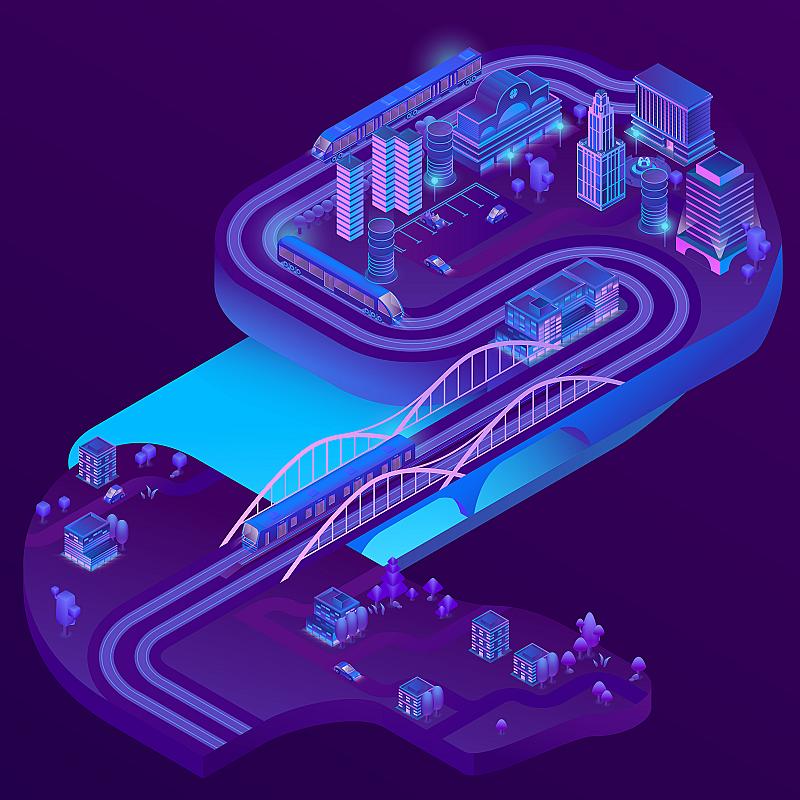
In edge computing, data is processed locally, at the edge of the network, instead of centrally in a data center or cloud environment. This fundamentally changes the setup of IT security. Analysis, detection, and response occur directly on-site, allowing organizations to respond more quickly to threats and become less dependent on central infrastructure.
Think of security cameras with built-in AI that recognize license plates or faces, industrial sensors that immediately signal deviations, or IoT devices that detect and block suspicious activities locally. Because processing happens on-site, delays (latency) disappear, and valuable bandwidth is preserved.
At the same time, privacy plays a more important role. Because sensitive data can remain local, organizations need to send less information to central systems or cloud environments. This not only reduces risks but also supports compliance requirements regarding data management and data protection.
Mobile security solutions for dynamic environments
Not every organization operates from fixed office locations. Construction sites, festivals, temporary logistics hubs, and industrial projects require security that is quickly deployable and movable. This is where mobile security solutions come into play, often combined with edge computing.
Modern mobile units feature secure remote access, integrated edge-AI for local video analysis, and autonomous power supply. Thanks to connectivity via 5G or mesh networks, they can be operational almost anywhere. Because processing occurs locally, these systems continue to function even with limited or unstable connections.
This combination of mobility and local intelligence enables flexible scaling of security up and down, without complex installation processes or lengthy infrastructure projects.
Flexibility as a starting point for modern IT security
Both edge computing and mobile security solutions emphasize one central value: flexibility. Threats continuously change, just like laws and regulations and operational circumstances. Rigid security architectures are increasingly less aligned with this.
A future-proof IT security strategy is therefore modular, centrally manageable, and scalable per location or project. Organizations must be able to add, move, or adjust security components without overhauling their entire infrastructure.
The combination of edge technology and mobile systems ensures that security not only reacts to incidents but actively adapts to the environment in which systems operate.
Security closer to the source
In 2026, IT security is no longer stagnant. Edge computing enables real-time analysis at the place where data is generated, while mobile security solutions provide flexibility in dynamic environments.
For organizations that approach security strategically, these technologies are no longer an additional option but a fundamental building block within a resilient and future-proof IT architecture.