
For IT professionals and developers, this sector is a fascinating arena where cloud computing, cybersecurity, and real-time data processing converge. In this technological race, new casinos often act as the agile startups challenging the established order. Because they can build their platform 'cloud-native' without the burden of outdated legacy systems, they directly set the new standard for user experience. This translates not only into lightning-fast interfaces and gamification features but also into the backend: think of hyper-personalized bonuses driven by real-time AI analysis instead of static rules. In this article, we analyze the technical trends driving this digital revolution in 2026.
Artificial intelligence forms the operational backbone
In 2026, AI is no longer a buzzword but the fundamental engine behind every successful iGaming platform. We are moving from reactive data analysis to proactive, real-time decision-making. Predictive algorithms are deployed for everything from calculating personalized 'odds' to automated risk management.
The real revolution takes place in the personalization of the user experience. AI models analyze thousands of data points per second, from playing behavior and session duration to mouse movements, to dynamically adjust the interface to the user. This goes far beyond simple recommendations; the system can real-time adjust the volatility of the game offerings to the player's risk profile. Additionally, AI plays a crucial role in responsible gaming. By detecting anomalous patterns indicative of problem behavior, systems can automatically intervene with cooling-off periods or warnings, even before human intervention is needed.
The necessity of a mobile architecture with 5G integration
The shift to mobile is complete now that more than 60 percent of global revenue comes from mobile platforms. For software architects, this means that 'mobile-first' is no longer a design philosophy but a hard technical requirement. The expectation for 2026 is that applications are fully optimized for 5G networks, reducing latency to nearly zero.
This opens the door for more complex applications such as Augmented Reality and live streaming in 4K resolution without hiccups. Especially in the sports betting market, speed is crucial; in-play betting requires real-time data processing where every millisecond counts. The infrastructure must be robust enough to handle enormous spikes in traffic without performance suffering. This requires scalable cloud solutions and edge computing to process data as close to the end-user as possible.
Advanced security against deepfakes via biometrics
With the increase in digital transactions, the threat of fraud also grows. In 2026, the traditional username-password combination has become archaic. The focus is on biometric verification processes. Where verification used to take days due to manual checks of passport scans, this now happens in 30 to 60 seconds via automated systems.
The biggest challenge for security specialists is the rise of AI-generated deepfakes. Fraudsters use this technology to bypass identity verification by creating hyper-realistic fake videos or face masks. In response, platforms implement advanced 'liveness detection.' These systems analyze micro-expressions, skin texture, and light reflection on the retina to verify whether a real person is in front of the camera. This cat-and-mouse game between fraudsters and security experts forces the industry into continuous innovation in cybersecurity.
The role of Web3 and blockchain within the tech stack
Although the hype around crypto has somewhat stabilized, the underlying blockchain technology is here to stay in the iGaming stack. Web3 offers a solution to one of the biggest problems in the industry: transparency. By recording transactions and game outcomes on an immutable ledger, players can verify that the game is fair.
Additionally, we see an increase in the use of stablecoins like USDT and USDC for transactions. Unlike volatile cryptocurrencies, stablecoins offer the speed and low transaction costs of crypto, without the price risk. This is especially attractive for international operators dealing with complex currency exchanges and slow traditional banking systems. Non-Fungible Tokens are also finding their way into loyalty programs, allowing players to earn unique digital assets that are genuinely their property and can be traded.
Interactive live shows and elements from video games
Technology is also changing the nature of content, blurring the line between video games and gambling. We see a rise of live game shows that utilize advanced studio techniques, including green screens and augmented reality overlays. These games have a much higher 'stickiness' than traditional RNG games.
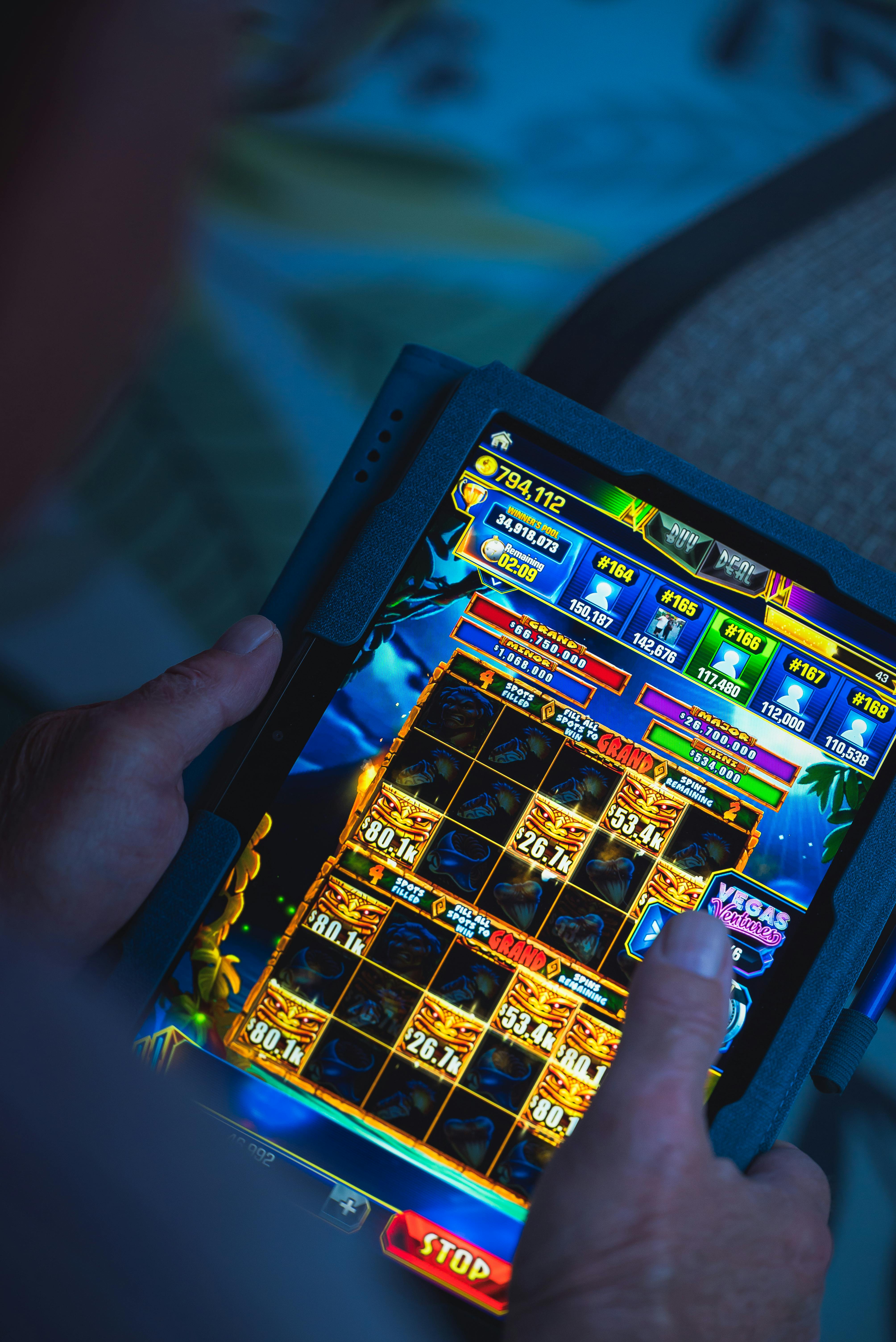
Gamification elements, inspired by the video game industry, are employed to enhance user engagement. Think of progress bars, in-app achievements, and multiplayer elements where players can compete against each other or collaborate. This requires a backend that can support complex, multi-user interactions without lag. The goal is to transform a passive gambling experience into an interactive entertainment experience.
A fully technology-driven future
iGaming is in 2026 a high-tech sector that rivals fintech. For IT professionals, this offers enormous opportunities in AI, low-latency networks, and blockchain. Technology is the crucial success factor; not the game, but the infrastructure determines who leads the market. Companies that integrate robust, secure systems win the battle. The future is data-driven, decentralized, and lightning-fast.