
What is phone tracking?
Phone tracking is determining and following the location of a mobile phone. This is not done through one technique, but through a combination of systems that complement each other. Depending on the situation, a smartphone can determine its position with an accuracy of a few meters, or provide a general location when exact data is not available. In practice, phone tracking is used to recover lost devices, to enhance the safety of family members, or to make work processes more efficient.
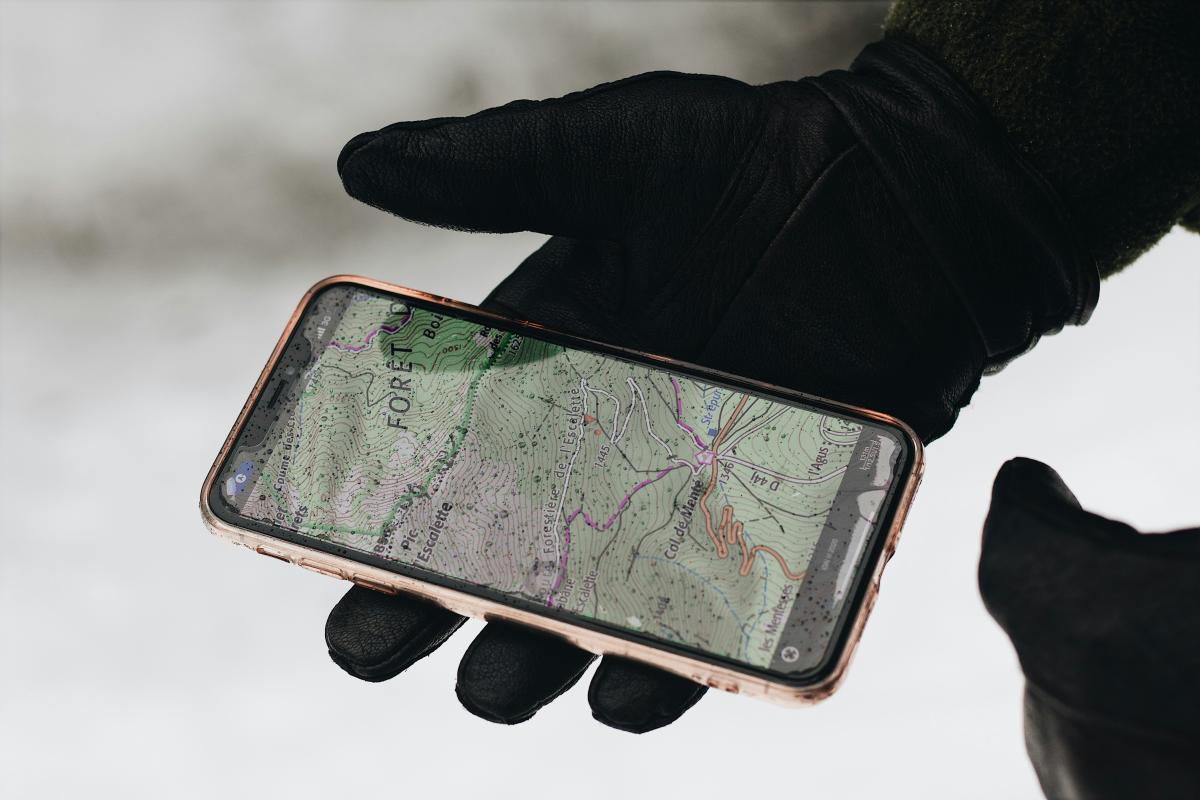
The most well-known technique remains GPS. Smartphones receive signals from multiple satellites and calculate their exact position based on that. This system is very accurate, but works less well indoors or in densely populated urban areas.
Therefore, modern devices combine GPS with Wi-Fi and Bluetooth positioning. By recognizing which known networks and devices are nearby, a phone can also determine a location inside buildings or parking garages. This method is slightly less precise, but in many situations more reliable than satellite signals alone.
Additionally, phones constantly connect to mobile towers. Providers can determine a general location based on these connections. This method is less accurate, but works almost always, even when GPS is turned off. In 2026, smartphones will use these techniques almost always combined, driven by smart algorithms that determine which source is most reliable at that moment.
Phone tracking via built-in systems
Both Apple and Google have deeply integrated phone tracking into their operating systems. With Apple's 'Find My' network and Android's 'Find My Device', users can locate a lost or stolen device, even when it seems to be offline. In that case, the location is indirectly transmitted via other nearby devices.
These features now come standard with additional security, such as end-to-end encryption and alerts when an unknown device follows you for an extended period. Manufacturers are actively trying to prevent abuse with these measures.
From safety to business operations
In the private sphere, phone tracking is mainly about safety. Parents share locations with their children, caregivers keep an eye on vulnerable family members, and travelers can quickly communicate their position in emergencies.
In business, location data is increasingly used for logistics, field service employees, and fleet management. In 2026, transparency is essential: employees must know when and why location data is used, and tracking may only occur during work hours and with a clear purpose.
Phone tracking remains an important tool in theft cases. Modern smartphones can be remotely locked or wiped, making them practically worthless to thieves.
Privacy remains the tension field
Precisely because phone tracking has become so accurate, privacy concerns are more relevant than ever. Tracking someone without consent is against GDPR in Europe and can have legal consequences. This applies not only to individuals but certainly also to companies.
Operating systems have responded with stricter consent rules. Apps must explicitly state why they need location access, and users can choose between precise or general location data in 2026. However, vigilance is still necessary: some apps collect more data than strictly necessary, often under the guise of user convenience.
Moreover, there are advanced tracking techniques, such as so-called cell-site simulators, which are primarily used by law enforcement agencies. Although these means are legally regulated, they underscore how sensitive location data has become.
Legislation and responsible use
The legislation surrounding phone tracking has tightened in recent years. Broadly speaking, you are always allowed to track your own device, and tracking others is only permitted with explicit consent and a legitimate purpose. For organizations, this means that location data is considered personal data, for which strict rules apply regarding storage, security, and transparency.
Phone tracking in 2026
Phone tracking in 2026 is no longer a thing of the future, but a daily reality. The technology offers clear advantages in terms of safety, efficiency, and user convenience. At the same time, that same technology calls for responsible use and conscious choices.
Those who handle location settings wisely and understand how tracking works can benefit from the advantages without incurring unnecessary privacy risks. Ultimately, phone tracking is not a problem of technology, but of how we deal with it.