
Author: Véronique Van Vlasselaer, Analytics and AI Lead at SAS
We are at a turning point. AI is increasingly touching various parts of our society. And yes, women are also stepping in more frequently. For example, last year I participated for the first time in a panel where women were in the majority. It is also noticeable during guest lectures that many female students have a great interest in AI.
Are we perhaps too optimistic, or can we cautiously say that something is changing? I notice that women often look at AI from a slightly different perspective. This translates into attention for two domains that are now particularly important: AI literacy and risk management. While AI is developing rapidly, the need to make the technology understandable and safe is growing. And it is precisely there that I see a lot of involvement from women.
Making AI understandable
How do we ensure that everyone can participate in AI development? That question occupies many people. Sometimes this leads to spontaneous, small-scale initiatives. For example, gatherings of women who fulfill various roles in the tech sector and inspire each other by exchanging experiences.
Perhaps this also relates to a broader pattern. Women have been strongly represented in education for years. Perhaps this gives them more attention for AI literacy. Additionally, they often recognize the blind spots in technology more quickly. Many women have personal experience with biases or discrimination and therefore notice sooner when systems inadequately consider certain groups. This does not mean that men cannot pick up such signals. Therefore, a good balance is important. Different perspectives help improve technology.
Awareness of risks
A second area where I see more and more women emerging is in recognizing and managing the risks associated with AI. In my own work, this translates into the growing need for organizations to have a clear AI governance strategy. Companies want to deploy AI responsibly and manage the risks of automated systems well.
From conversations with other passionate female professionals, I notice that the role of Chief Information Security Officer (CISO) is increasingly being filled by women. With the rise of AI, this role is becoming more important and complex. It is a multidisciplinary field where technology, security, regulation, and ethics intersect.
Visibility remains important
Once again, this is purely my perception. But it could well be that the growing attention for AI literacy and risk management opens new doors for women in tech. At the same time, we must continue to speak out. The fact that women are still a clear minority in the tech sector does not change overnight.
What also strikes me is that many women are somewhat skeptical about the idea that they should make their voices heard. Nevertheless, young girls need role models. Many companies now realize that men and women add equal value, but visibility remains important. There is a lot of solidarity among women to encourage each other, but we also need to keep putting ourselves on the agenda.
Therefore, a call to women who are active in the tech sector: make your voice heard. Write a LinkedIn post or participate in a panel discussion. And yes, sometimes set aside your pride. If you aspire to a leadership role and you are offered such a position, seize that opportunity. Even if that role was made possible by quotas. You are not selected because of quotas, but because of your abilities; otherwise, you would never have gotten that position. It will not change the sector overnight. But it does help to break the image that technology is primarily a man's world.
New opportunities for women in tech
It is not all roses and sunshine. Nevertheless, AI is driving a lot of change and creating new opportunities in society. The technology is transforming work and creating new roles where human skills, such as creativity, critical thinking, and collaboration, are becoming more important.
Let that be an incentive to embrace AI. It is precisely in these new roles that we can utilize our talents. And when I look at what is happening today, I feel that women are increasingly seizing that opportunity.
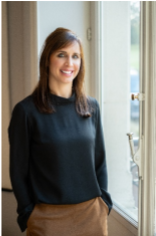
Véronique Van Vlasselaer, Analytics and AI Lead at SAS